Learning idioms in english worksheet exercises transforms passive vocabulary study into an active language-building experience. These figurative expressions, rooted in cultural context, often trip up learners—not because they’re inherently difficult, but because they defy literal translation. A well-structured worksheet becomes your compass through this complexity, offering clarity, practice, and confidence.
Understanding Idiom Foundations

Start with clarity: What makes an idiom an idiom? It’s a phrase whose meaning isn’t deducible from the individual words. When you encounter "burn bridges" in a idioms in english worksheet, recognize it describes severing relationships permanently. Pair this with a sentence like, “After shouting at his boss, he burned all his bridges and no one would hire him.” Visualize such moments—this is where worksheets excel, pairing text with relatable scenarios.
Unlocking Rare Idioms for Advanced Fluency

Advanced learners thrive on rarity. A dedicated idioms in english worksheet section on uncommon expressions exposes you to phrases like “bite the dust” (to die/fail) or “hit the hay” (to go to bed). These aren’t just vocabulary—they’re conversation gold. Try incorporating one into your next email or chat. The specificity of such phrases makes your language vivid and memorable.
Practical Application Through Context
Worksheets that anchor idioms in context accelerate retention. Instead of memorizing lists, practice filling blanks, matching, or rewriting sentences. For example: “She didn’t ___ her old friend after their argument” (burn bridges). When you see idioms in english worksheet fill-in-the-blank exercises, you’re training recognition—a skill critical for comprehension in real-world settings like movies, podcasts, or casual chats.
Avoiding the Translation Trap
Literal translations backfire. A Spanish speaker might say “estoy harto” thinking it means “I’m hart” (a type of pie), not “I’m fed up.” Idioms in english worksheet sections warning against literal thinking prevent these errors. Always ask: “What’s the *effect* of this phrase, not its parts?” This mindset shifts your learning from mechanical to intuitive.
Building a Personal Idiom Bank
Transform worksheets into living study tools. Add sticky notes to phrases like “cost an arm and a leg” (expensive) with examples from your life. Next time your idioms in english worksheet includes “piece of cake,” note a time you breezed through a task effortlessly. Personal connections stick better than rote repetition.
Consistent practice with targeted worksheets doesn’t just teach idioms—it builds cultural fluency. Each exercise is a microcosm of real-life communication, where phrases carry weight beyond their letters. Keep your idiom collection growing, and soon you’ll navigate conversations with the ease of a native speaker wielding metaphors.
Learning idioms in english worksheet exercises transforms passive vocabulary study into an active language-building experience. These figurative expressions, rooted in cultural context, often trip up learners—not because they’re inherently difficult, but because they defy literal translation. A well-structured worksheet becomes your compass through this complexity, offering clarity, practice, and confidence.
Understanding Idiom Foundations
Start with clarity: What makes an idiom an idiom? It’s a phrase whose meaning isn’t deducible from the individual words. When you encounter "burn bridges" in a idioms in english worksheet, recognize it describes severing relationships permanently. Pair this with a sentence like, “After shouting at his boss, he burned all his bridges and no one would hire him.” Visualize such moments—this is where worksheets excel, pairing text with relatable scenarios.
Unlocking Rare Idioms for Advanced Fluency
Advanced learners thrive on rarity. A dedicated idioms in english worksheet section on uncommon expressions exposes you to phrases like “bite the dust” (to die/fail) or “hit the hay” (to go to bed). These aren’t just vocabulary—they’re conversation gold. Try incorporating one into your next email or chat. The specificity of such phrases makes your language vivid and memorable.
Practical Application Through Context
Worksheets that anchor idioms in context accelerate retention. Instead of memorizing lists, practice filling blanks, matching, or rewriting sentences. For example: “She didn’t ___ her old friend after their argument” (burn bridges). When you see idioms in english worksheet fill-in-the-blank exercises, you’re training recognition—a skill critical for comprehension in real-world settings like movies, podcasts, or casual chats.
Avoiding the Translation Trap
Literal translations backfire. A Spanish speaker might say “estoy harto” thinking it means “I’m hart” (a type of pie), not “I’m fed up.” Idioms in english worksheet sections warning against literal thinking prevent these errors. Always ask: “What’s the *effect* of this phrase, not its parts?” This mindset shifts your learning from mechanical to intuitive.
Building a Personal Idiom Bank
Transform worksheets into living study tools. Add sticky notes to phrases like “cost an arm and a leg” (expensive) with examples from your life. Next time your idioms in english worksheet includes “piece of cake,” note a time you breezed through a task effortlessly. Personal connections stick better than rote repetition.
Consistent practice with targeted worksheets doesn’t just teach idioms—it builds cultural fluency. Each exercise is a microcosm of real-life communication, where phrases carry weight beyond their letters. Keep your idiom collection growing, and soon you’ll navigate conversations with the ease of a native speaker wielding metaphors.
Idioms - ESLBUZZ
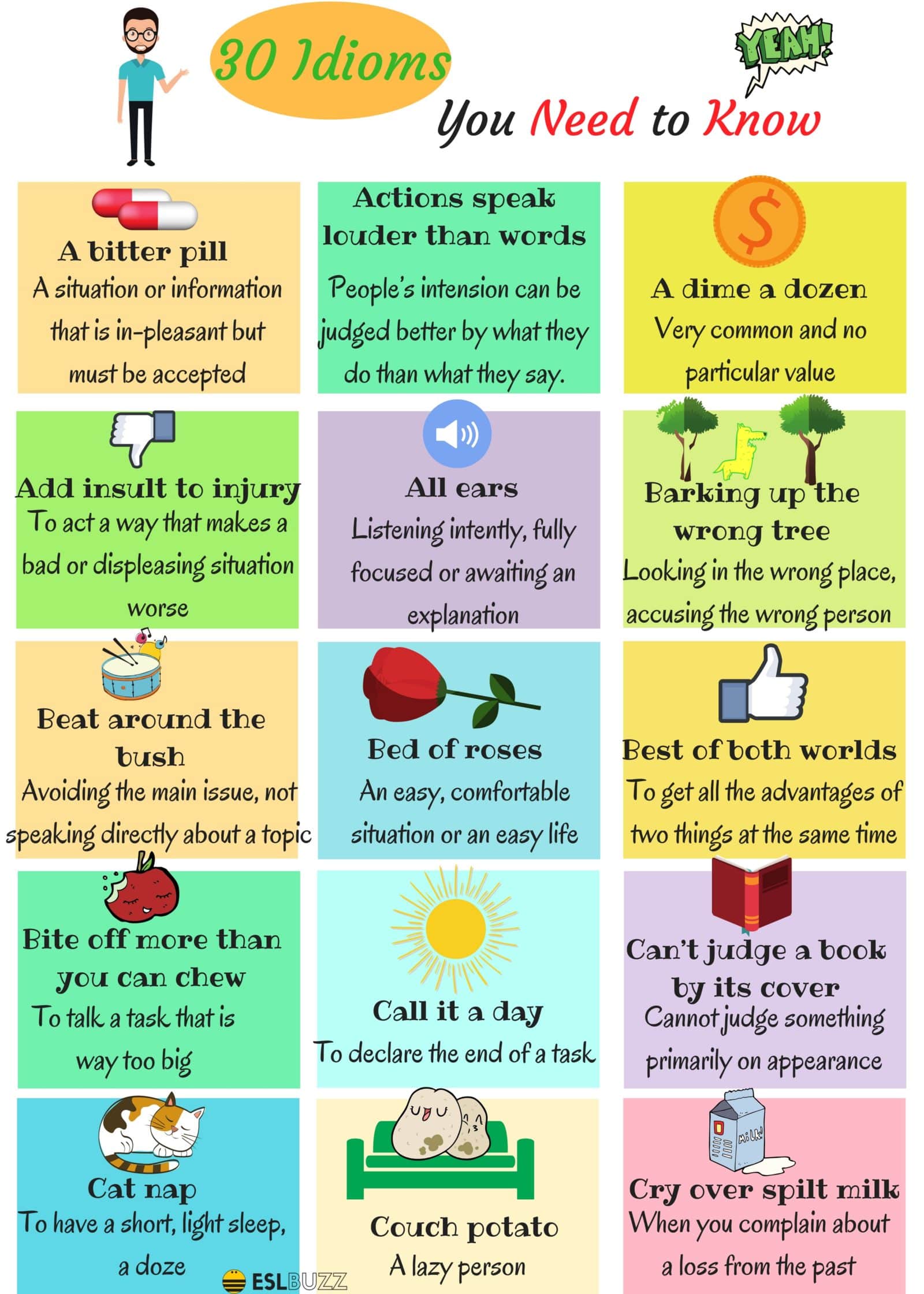
Idioms - ESLBUZZ
8 Tricky Idioms About Money With Meanings Infographic

8 Tricky Idioms About Money With Meanings Infographic
Idiom 1500 English Idioms From Az With Examples Vacation Cheat Sheet:
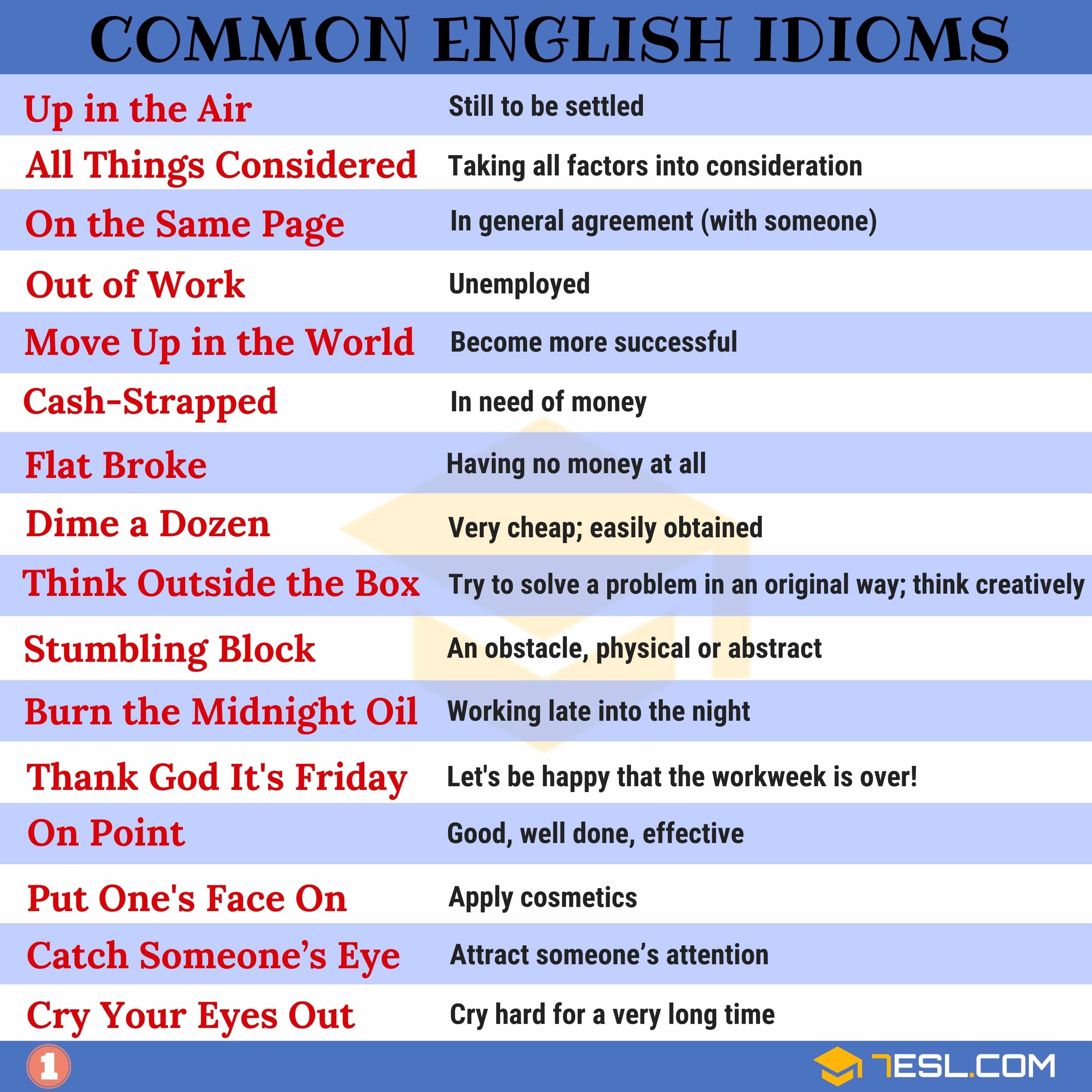
Idiom 1500 English Idioms From Az With Examples Vacation Cheat Sheet: